House inspection tips for Sydney buyers: what to look for during your property viewing
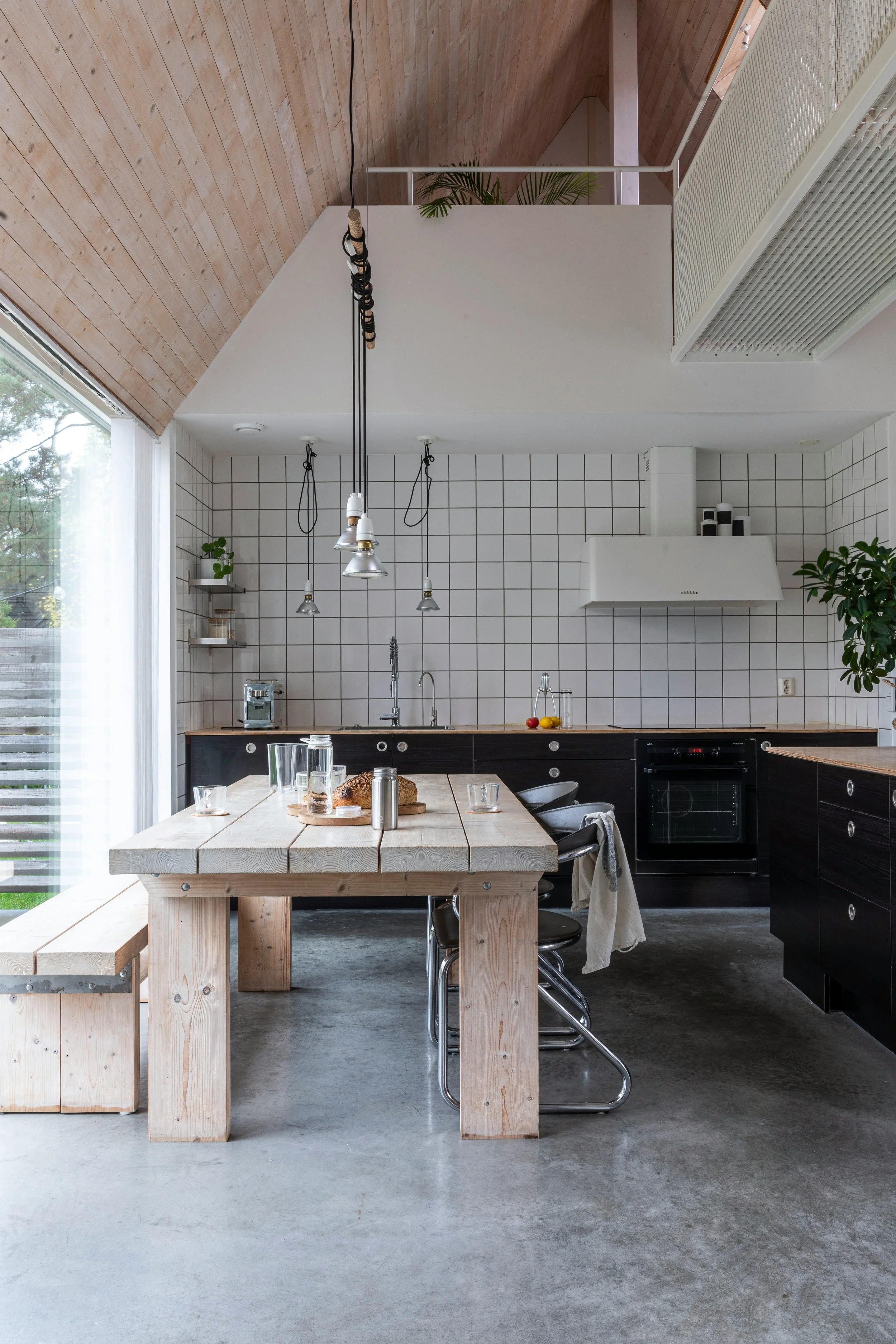
Buying property in Sydney can feel like navigating a maze, but the right information can make all the difference. Whether it’s your first home or an investment, understanding what to look for during a house inspection is key. Here are some of the things we’re looking out for during an inspection. Remember, a detailed building and pest report is a non-negotiable when you’re serious on a property, but looking out for some of these things even with a lay-person’s eye might help you decide whether this property is worth shortlisting or not.
Here’s your easy-to-follow guide on what to check during a property inspection to ensure you’re making a solid investment.
1. Foundation and Structural Integrity: Don’t Overlook the Basics
The foundation is the backbone of any property, and any issues here can become a major headache down the track.
What to look for:
Cracks in walls or ceilings: Small cracks can be normal, but large or horizontal cracks might indicate a bigger problem.
Uneven floors or doors: If the floors feel sloped or doors don’t close properly, it could be a sign the house is shifting.
Sagging roofline: Pay attention to the roof’s structure — any sagging might suggest structural damage.
Why it matters: Structural issues can be expensive to fix. If you notice anything concerning, always get a building inspection to check it out properly before moving forward.
2. Pest Infestations and Damage: Protecting Your Investment
Sydney’s climate can be kind to pests, but not to your property. Termites, rodents, and other pests can do real damage if left unchecked.
What to look for:
Termite damage: Look for soft wood, tiny holes, or powdery residue on timber surfaces.
Rodent signs: Droppings, chewed-up cables, or visible nesting materials are red flags.
Strange smells: A musty, damp smell often signals water damage or mould — both of which attract pests.
Why it matters: Pests can cause serious damage, and fixing it often isn’t cheap. Always schedule a pest inspection — it could save you thousands in repairs. If there are any concerns regarding mould, professional mould testing is recommended to determine the extent of the issue.
3. Roof and Gutters: Stay Dry and Safe
Your roof is the first line of defense against Sydney’s unpredictable weather. Make sure it’s in top condition.
What to look for:
Missing or damaged tiles: This could lead to leaks during heavy rain.
Sagging gutters: Check if gutters are securely attached. Sagging could indicate water damage or poor installation.
Water stains on ceilings: Inside the house, look for signs of leaks that may have come from the roof or gutters.
Why it matters: Roof issues can lead to water damage and mould, which can become expensive to fix. Ensuring everything’s watertight is key to protecting your home.
4. Plumbing: Don’t Let Hidden Leaks Drain Your Budget
Plumbing issues can be tricky to spot, but ignoring them can lead to costly repairs.
What to look for:
Low water pressure: If the water pressure is weak, it might indicate hidden plumbing issues. (Plus, a weak shower sux!)
Rusty pipes: Exposed pipes that are rusted or corroded could need replacing.
Water stains or dampness: Look for damp patches around pipes or under sinks — this might suggest hidden leaks.
Unusual odours: A rotten egg or sewage smell could mean issues with the drains or sewer.
Why it matters: Plumbing repairs can add up quickly, so it’s important to check for leaks or aging pipes before committing to a purchase.
5. Electrical System: Safety First, Always
Sydney properties often have outdated electrical systems, and faulty wiring can be dangerous.
What to look for:
Exposed or frayed wires: If you spot exposed wiring or wires that seem loose or damaged, that’s a major red flag.
Old switches or outlets: If the electrical system looks like it hasn’t been updated in decades, you may need a full rewire.
Frequent power trips: If the circuit breakers trip constantly, this could indicate a serious issue with the system.
Why it matters: Electrical issues are not only safety hazards, but fixing them can also be expensive. Make sure the home’s electrical system is in good condition before moving forward.
6. Water Damage and Dampness: Don’t Let Moisture Ruin Your Home
Water damage can be sneaky, but catching it early can save you from major headaches later.
What to look for:
Discoloration or stains: Look for yellow or brown stains on walls or ceilings, which could signal past or ongoing water damage.
Mould or mildew: Check for any signs of mould — particularly in damp areas like bathrooms and basements.
Condensation: Excessive condensation on windows or walls may indicate poor ventilation or hidden leaks.
Why it matters: Water damage leads to mould, rotting, and long-term structural damage. Make sure the home is dry, clean, and well-maintained.
7. Windows and Doors: Make Sure Everything Fits
Good windows and doors aren’t just about looks — they’re about comfort and efficiency.
What to look for:
Drafts or gaps: If windows or doors feel drafty, you might have a sealing issue, which could lead to higher energy bills.
Condensation between double-glazed windows: This could indicate a failed seal.
Difficulty opening or closing doors: If doors or windows are hard to open, it could be a sign of shifting foundations or poor installation.
Why it matters: Poorly sealed windows and doors can make your home feel less comfortable and increase your energy costs. It’s worth checking these, especially in older properties.
8. Interior Layout and Flow: Does the Space Work for You?
The layout and flow of a home can be a dealbreaker, even if the property is in good condition.
What to look for:
Room sizes and flow: Does the floor plan feel functional for your lifestyle, or are you constantly bumping into walls?
Natural light and ventilation: Make sure there’s plenty of light in living areas, and check that the home has good airflow — it’ll keep the place feeling fresh.
Ceiling height: Low ceilings can make spaces feel cramped, while high ceilings can create a sense of openness.
Why it matters: While these aren’t necessarily deal-breakers, they can impact your daily comfort and the overall feel of the home. Ensure the space suits your needs for the long term.
Conclusion: Buy with Confidence in Sydney’s Competitive Market
By keeping an eye out for these key issues during your house inspection, you’ll be in a much stronger position to make an informed decision.
Alternatively, let us do the leg work. We’re here to help you buy with confidence and ensure your next home or investment is a solid one.
Ready to make your next move? Contact us to discuss how we can support you in securing your ideal property in Sydney. From property search to negotiation, we offer a markedly better way to buy.